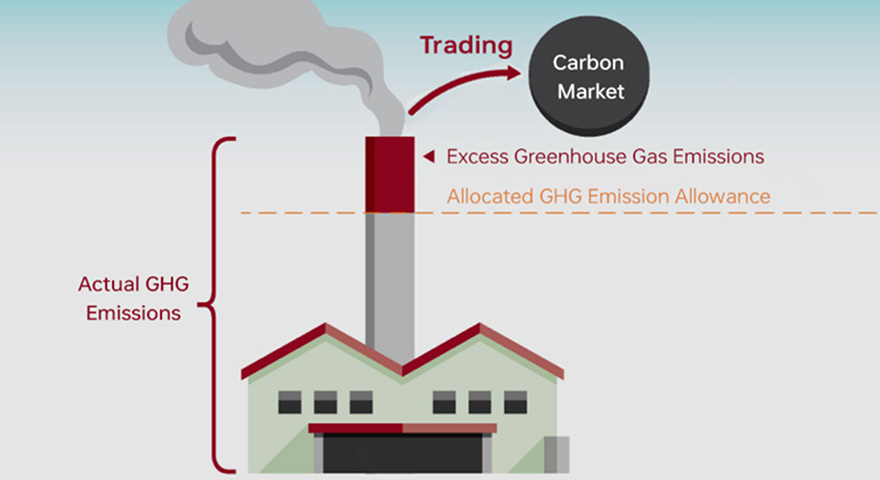
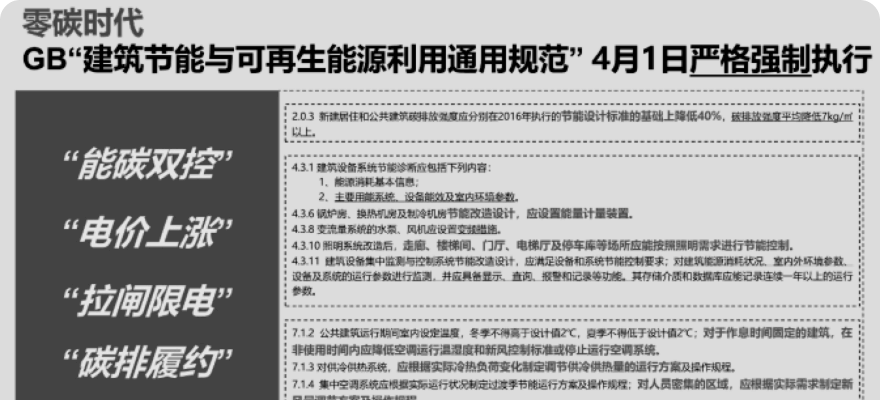
 3060 Mandatory Emission Control Against the backdrop of the “dual carbon” goals for 2030 and 2060, China's public utilities and energy companies are accelerating their low-carbon transformation. By 2021, 2,225 emitting entities had been incorporated into the national carbon market's regulatory framework. As the carbon market stabilizes its operations,the scope of industries covered by the national carbon market will gradually expand. Without implementing effective risk management and quality control strategies, enterprises will face increased operational and regulatory costs throughout this process.
 Energy costs The policy introduced by the National Development and Reform Commission in 2020 to reduce corporate electricity costs has expired. Moreover, the subsidy of this policy was less than that of the September 2022 electricity reform. Corporate electricity costs have rigidly surged by 10-15%, while peak electricity prices are trending upward nationwide. Shanghai implemented new peak-period electricity pricing starting in 2023: - For industrial, commercial, and other two-part tariff users, as well as large industrial two-part tariff users, peak-period rates increased by 80% over off-peak rates. - For general industrial, commercial, and other single-part tariff users, peak-period rates increased by 20% over off-peak rates. This has caused a sharp surge in enterprises' energy costs.
 ESG Brand Premium As ESG investing gains mainstream traction in global capital markets and domestic ESG initiatives accelerate, ESG disclosure has become a mandatory practice for listed companies. Among China's chain enterprises, 38 are publicly listed. In accordance with requirements from different stock exchanges, approximately 16 chain enterprises have published social responsibility, ESG, or sustainability reports based on various reporting frameworks. Over 500 private ESG green funds, with assets under management exceeding RMB 200 billion, are dedicated to investing in green stores certified by independent third parties (LEED, WELL).
01 Industry Challenges
02 Value Positioning

Risk Control and Quality Control
Reduce equipment's additional energy consumption and operational maintenance costs through dynamic adjustment, thereby lowering labor costs
- · Real-time monitoring of operational status precisely identifies store risks
- · The environmental quality metrics of our stores meet or exceed domestic pandemic control requirements and WELL health and safety standards
- · Energy Management Model Upgraded, Operational Development Advances Toward Carbon Neutrality
- · Refine quality control, reduce costs, and enhance corporate competitiveness to meet actual needs

Energy Conservation and Cost Reduction
Reduce store consumption by 18%
- · Cloud-Edge Integration,Achieving top-to-bottom closed-loop integration within the group
- · Integrating hardware and software to build a full lifecycle energy and carbon control loop
- · Delivering end-to-end solutions to create benchmark chain stores
- · One-click assessment to identify seed green stores

ESG and Value Certification
Boosting stock prices
- · Establish long-term partnerships to support projects in achieving sustained LEED/WELL dual certification.
- · Refining the green store model to support bulk certification
- · Adhering to corporate governance and ESG best practices
- · Covering two major certifications, helping businesses or buildings enhance their sustainability levels, strengthen brand image, and boost competitiveness
03 Product Matrix
04 Risk and Quality Control
Security Risk
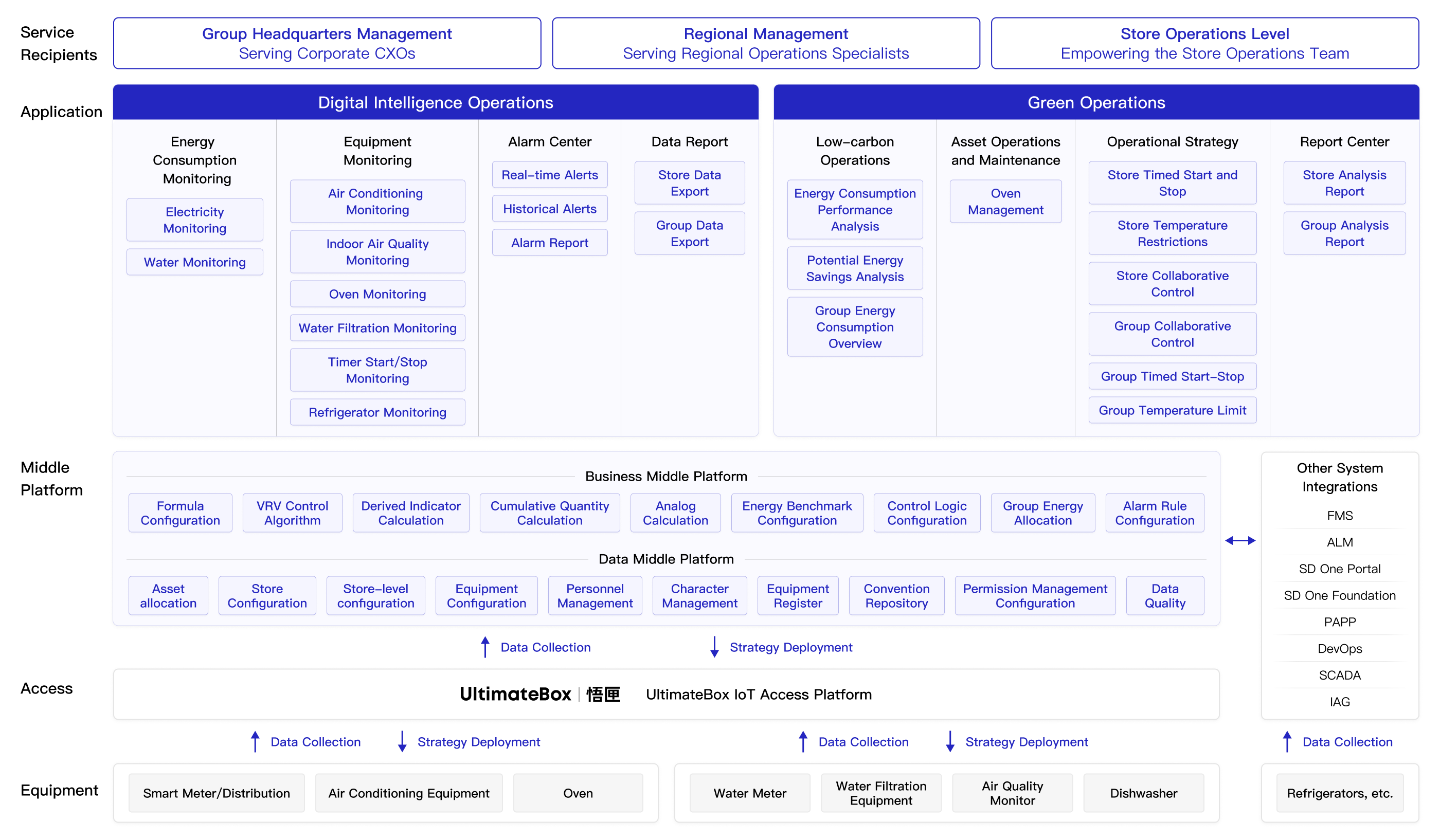
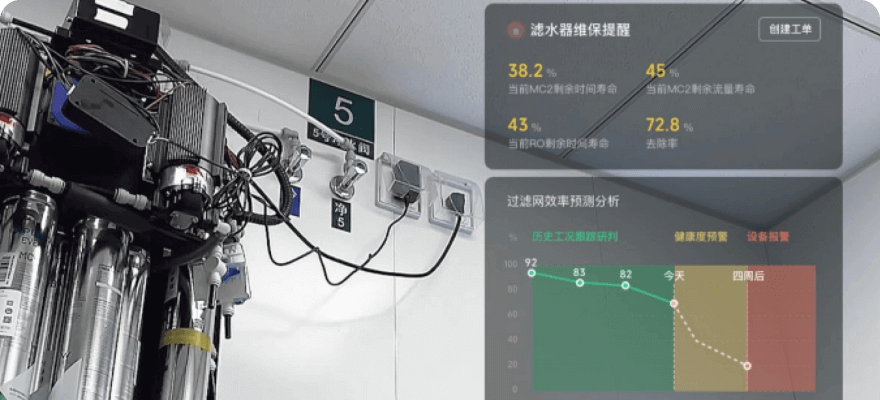
Monitor operational status in real time and pinpoint security risks with precision
- · Continuously collect and monitor operational data in real time, set threshold monitoring, and trigger real-time alerts
- · Lifecycle Equipment Electronic Ledger
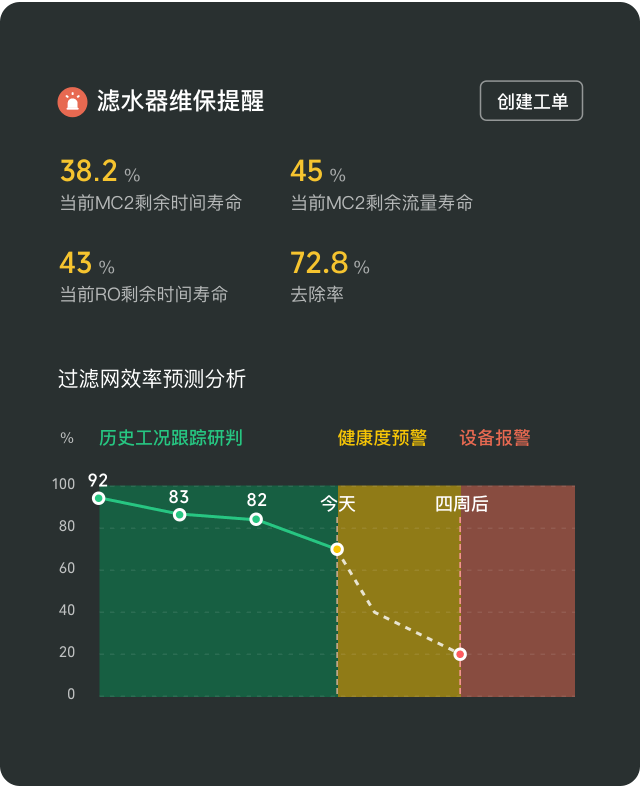
- · Predictive Equipment Maintenance Analysis

Epidemic Risk
The environmental quality metrics of our stores meet or exceed domestic pandemic control requirements and WELL health and safety standards
- · Stay updated on the epidemic alert level and local prevention and control regulations
- · Commit to building a pandemic emergency operations repository based on WELL health and safety standards
- · Monitoring equipment and systems automatically complete emergency work orders
Carbon expenditure risk
Energy Management Model Upgraded, Operations Moving Toward Carbon Neutrality
- · Scientifically measure energy consumption per unit of output and track progress in energy conservation and low-carbon development
- · Monitor equipment scheduling and energy consumption data in real time to identify opportunities for operational management and equipment energy savings
- · Monitor store low-carbon performance rankings and areas for improvement
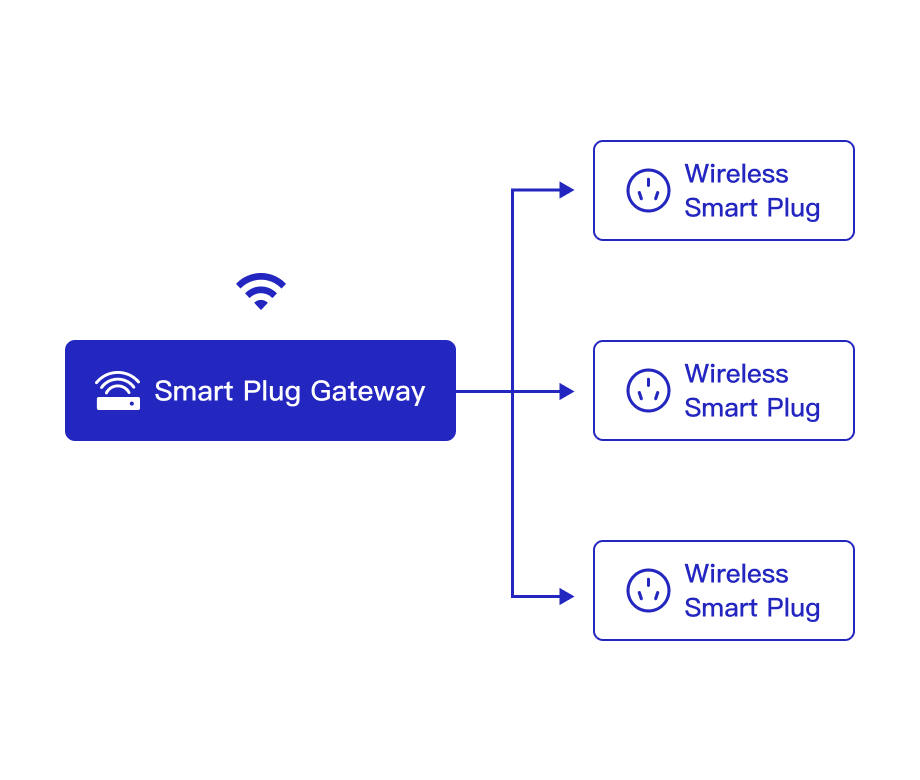
I. Energy Harvesting and Control at the Socket Granularity Level
Energy Conservation
 Energy ManagementValue: Timed On/Off Switching EquipmentMethod: By configuring the schedule settings, the device can be completely powered off during non-usage periods.
 Intelligent ControlValue: Power Off During Idle Periods, Power On When NeededMethod: Automatically monitors power consumption at each outlet. When usage exceeds the preset time limit, power is automatically cut off. When needed again, power can be manually or remotely restored.
Safety
 Easy to useValue: Flexible power-on scheduling to prevent misuseMethod: Implement grouped outlet management with remote on/off/lock controls and support on-demand hardware customization. Specific outlets are powered only during designated time periods to ensure proper use and prevent misuse.
 Outlet SafetyValue: Ensuring critical equipment operates normallyMethod: Promptly detect abnormal energy consumption (excessively high or low) to determine if equipment is functioning properly Features: Built-in temperature monitoring in outlets to guarantee electrical safety.
II. Data Collection
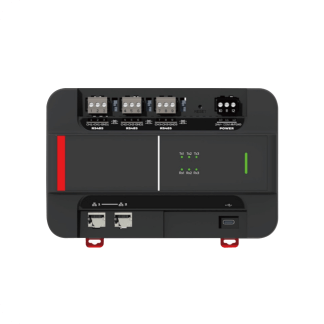
Smart Gateway
+Programmable Control Logic & UI+AI Lighting-Curtain Choreography+Extended Protocol Stack (eg. VRV)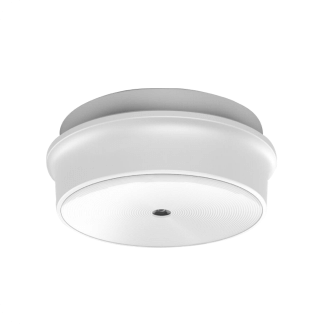
Human Flow Image Sensor
Edge Computing, Data PrivacyAI Deep Learning + Policy Recognition+ Selection Box Area Operations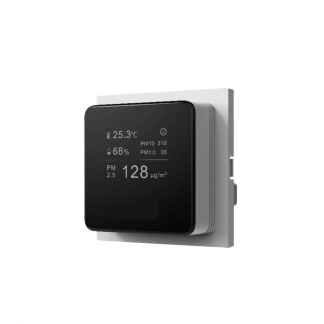
Six-in-One Indoor Air Quality Monitor
Simultaneously detects and displays six air parameters: temperature, humidity, PM2.5, CO2 concentration, formaldehyde, and TVOC.
III. Operational Data Status Monitoring
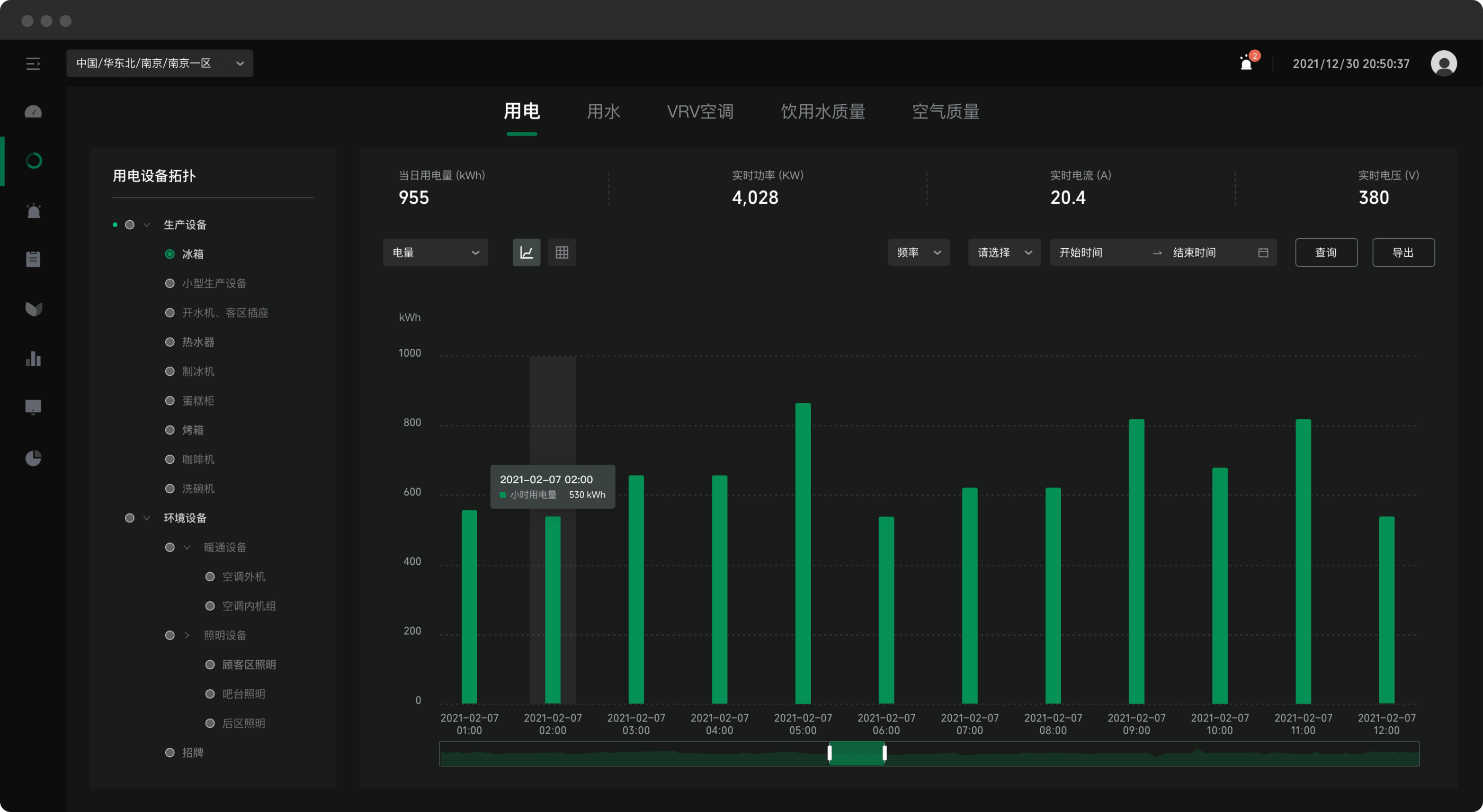
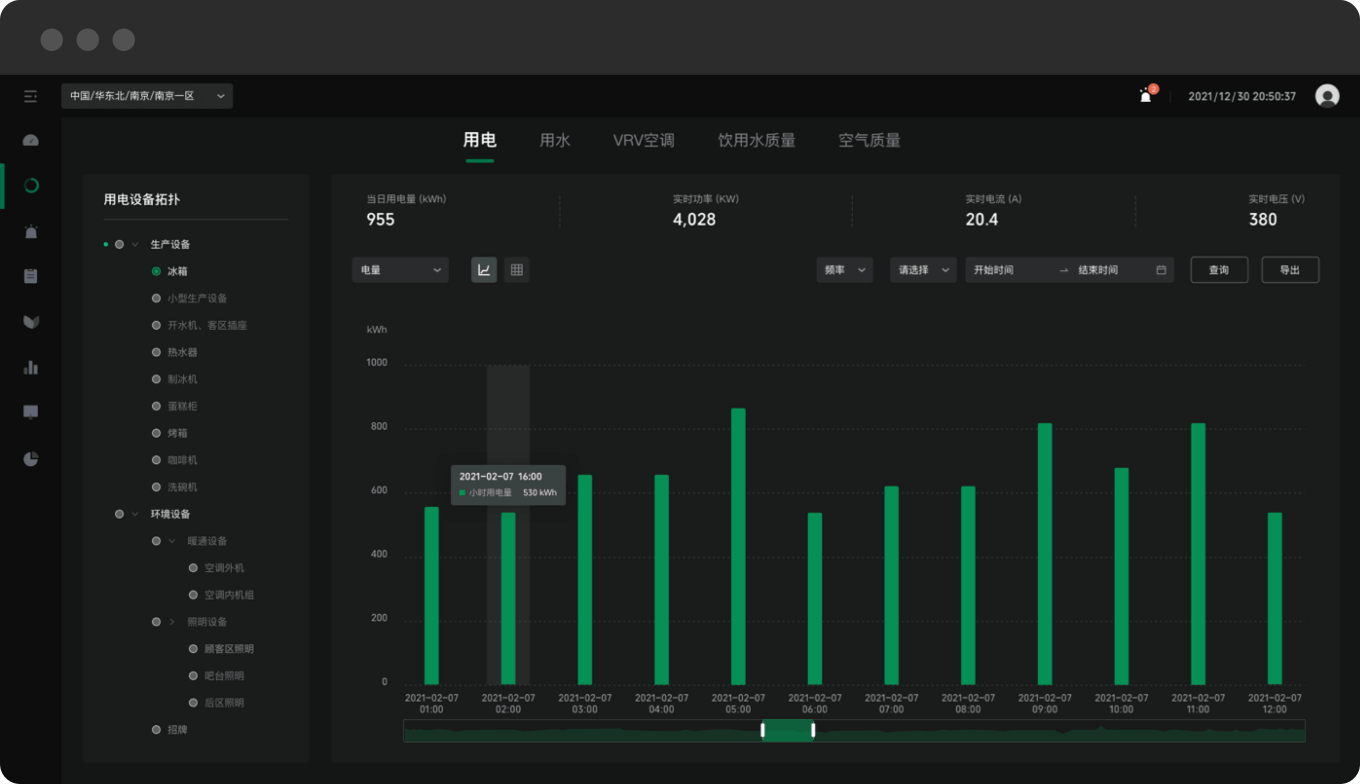
- ·Real-time monitoring of operational data and operational status
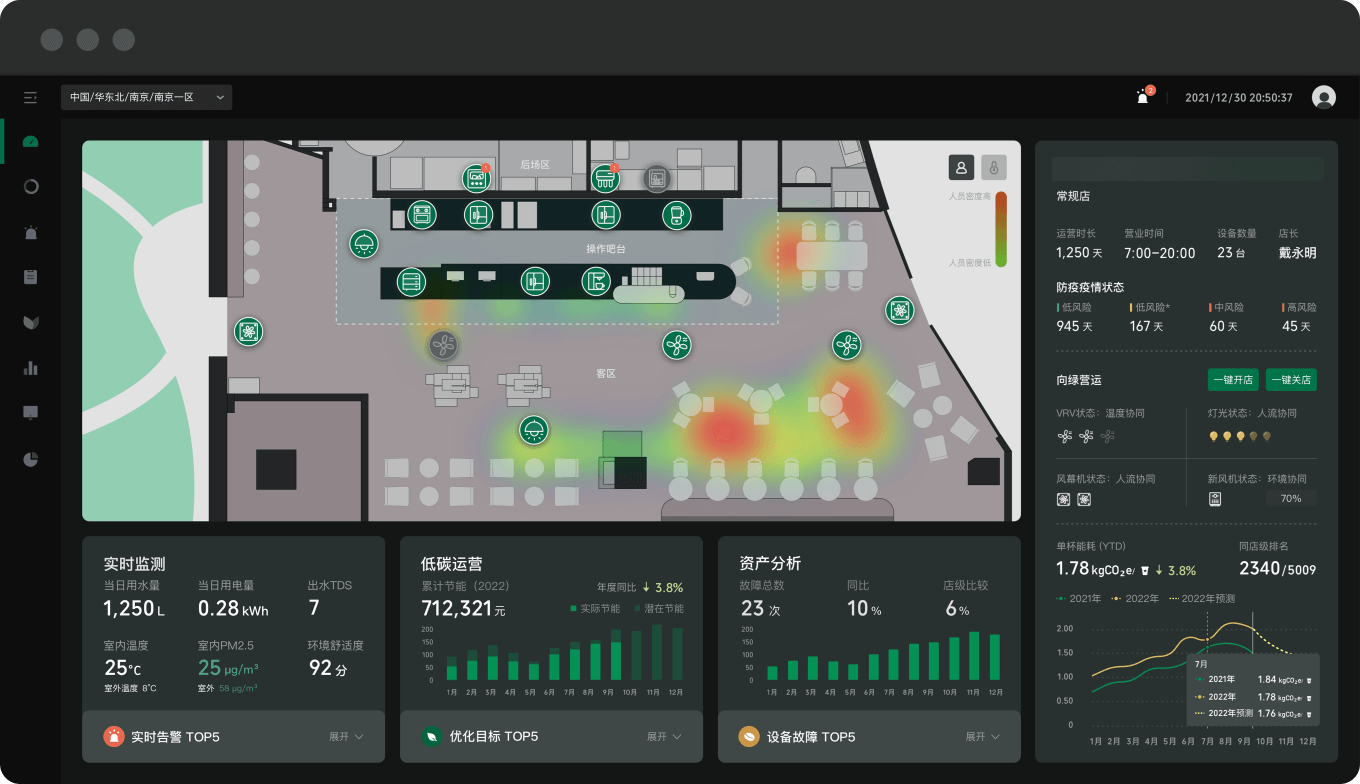
- ·Real-time monitoring, hourly/daily/monthly/per-unit/per-store summaries
IV. Store Performance Evaluation
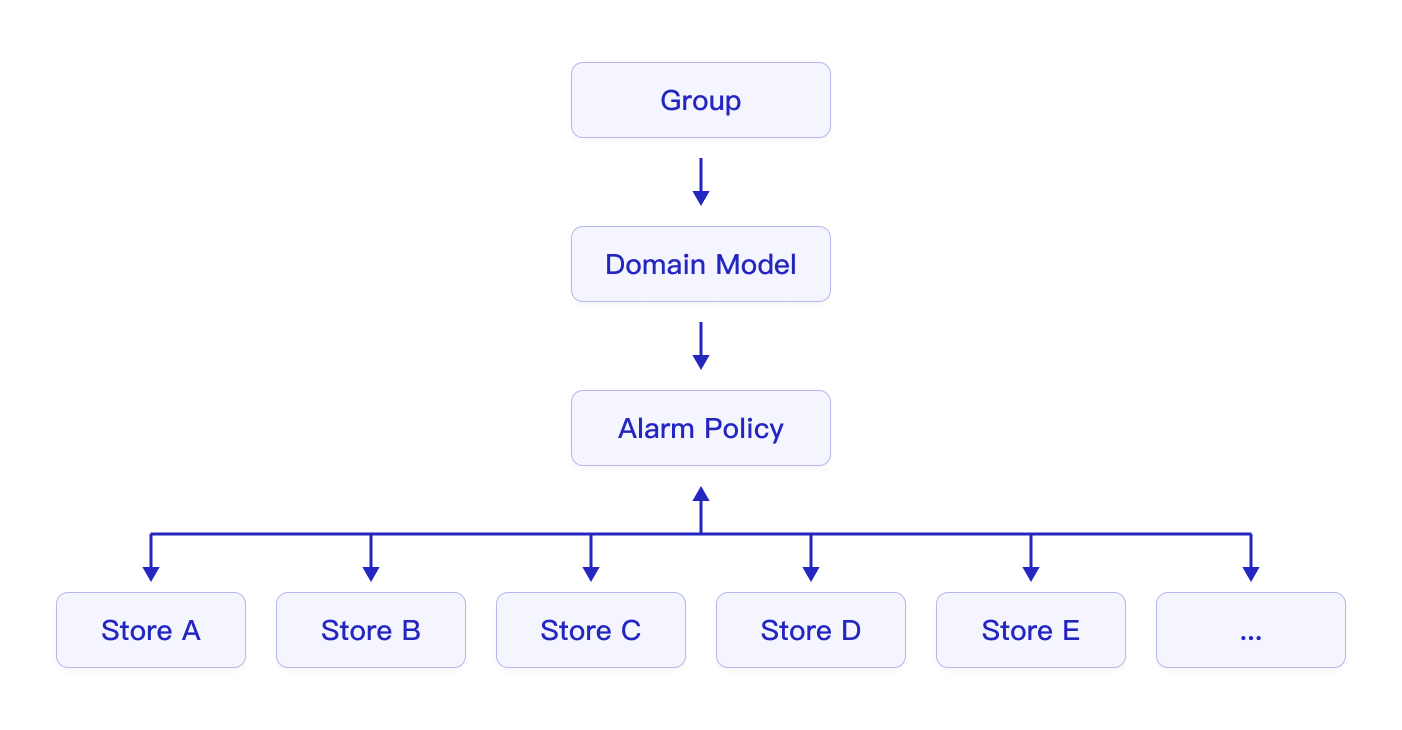
The Group abstracts domain models based on actual business scenarios, formulates and issues alert policies, and conducts store evaluations using device data. This enables real-time monitoring of store equipment operation, optimization of equipment maintenance and upkeep, enhancement of store operational efficiency, and strengthening of store management and oversight. These measures further drive enterprise digital transformation and intelligent upgrades.
- ·Abstract Domain ModelBased on actual business scenarios and data collected from devices, abstract key metrics for stores to monitor—such as environmental hazards, comfort levels, and safety conditions—to establish a store domain model.
- ·Develop Alerting StrategiesDevelop corresponding alert strategies based on metrics from the store domain model, such as: terminal leakage current alerts, blacklist intrusion alerts, small animal intrusion alerts, queue timeout alerts, and excessive energy consumption alerts.
- ·Support KPI EvaluationBy collecting store alert trigger events according to the group's established alert strategies, effective KPI evaluation of stores can be achieved.
V. Enhancing Quality Control
Through IoT technology, stores can collect equipment data to achieve real-time monitoring and control, ensuring product quality and strengthening overall quality management. At the same time, this enhances store safety and service quality, optimizes operational and management efficiency, and ultimately increases competitive advantage.

05 Energy Conservation and Cost Reduction
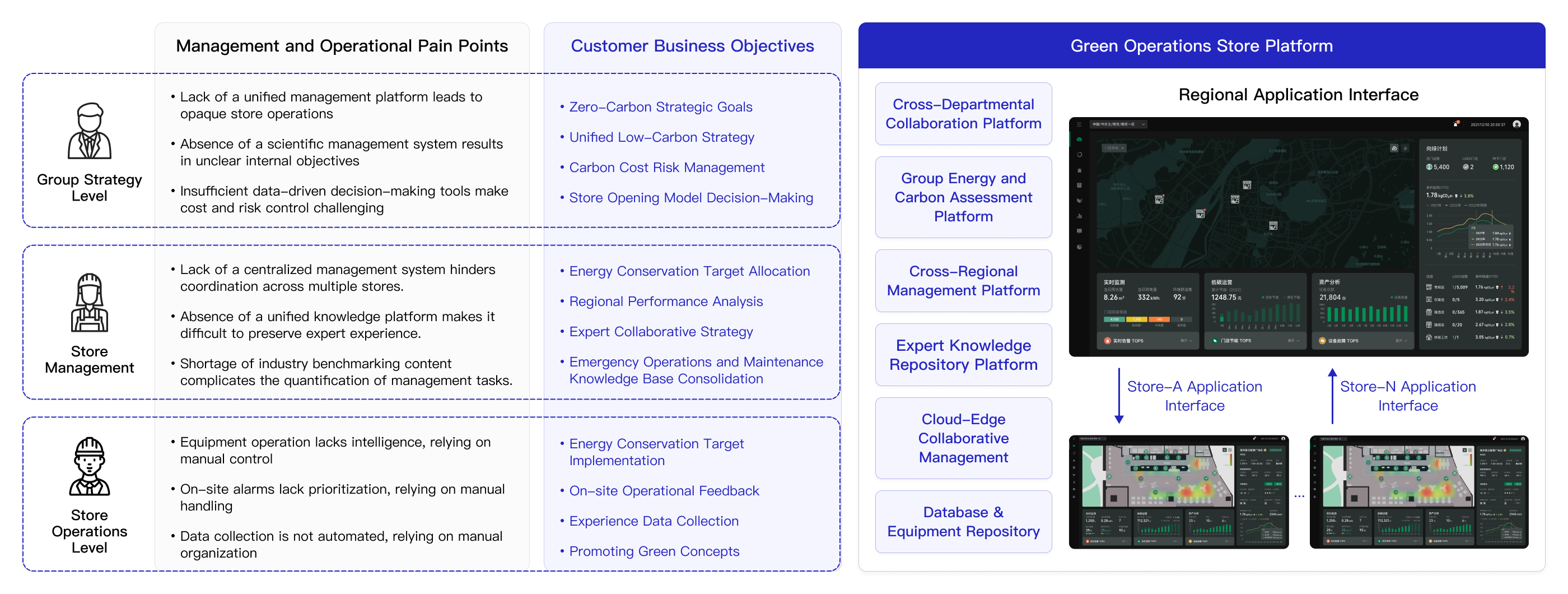
II. End-to-End Closed-Loop
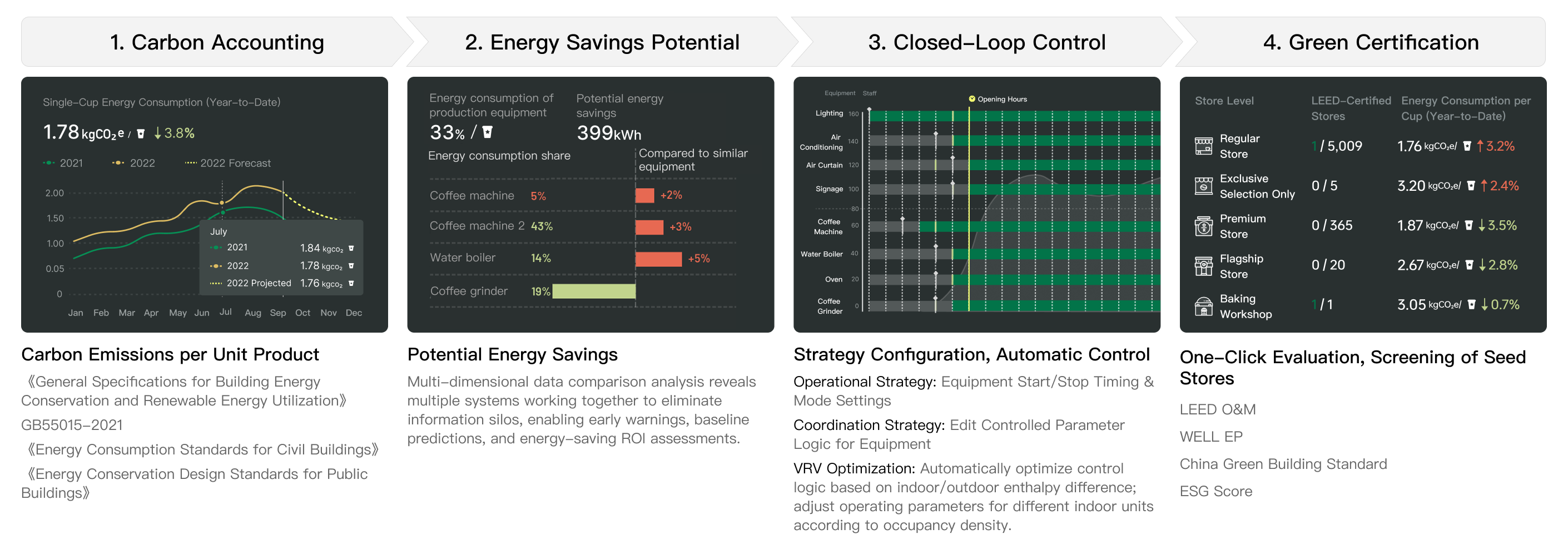
III. Automated Store Opening/Closing Control Strategy
Empower regional managers to meticulously manage equipment start/stop schedules, enabling automated store opening/closing operations. This reduces human operational errors, facilitates strategic operational planning, and achieves precise energy savings.
- Regional Manager Directive Issued
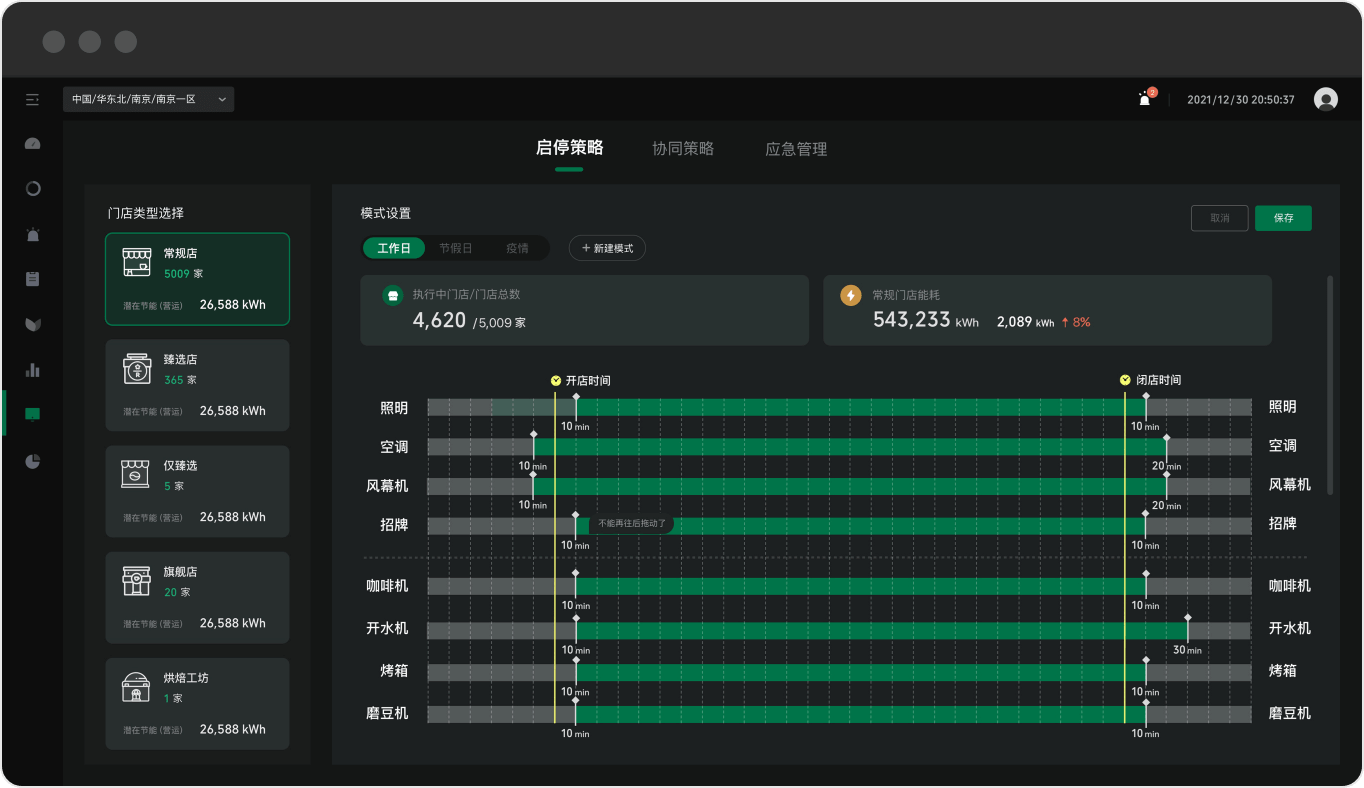
- Stores implement strategies based on their operational model
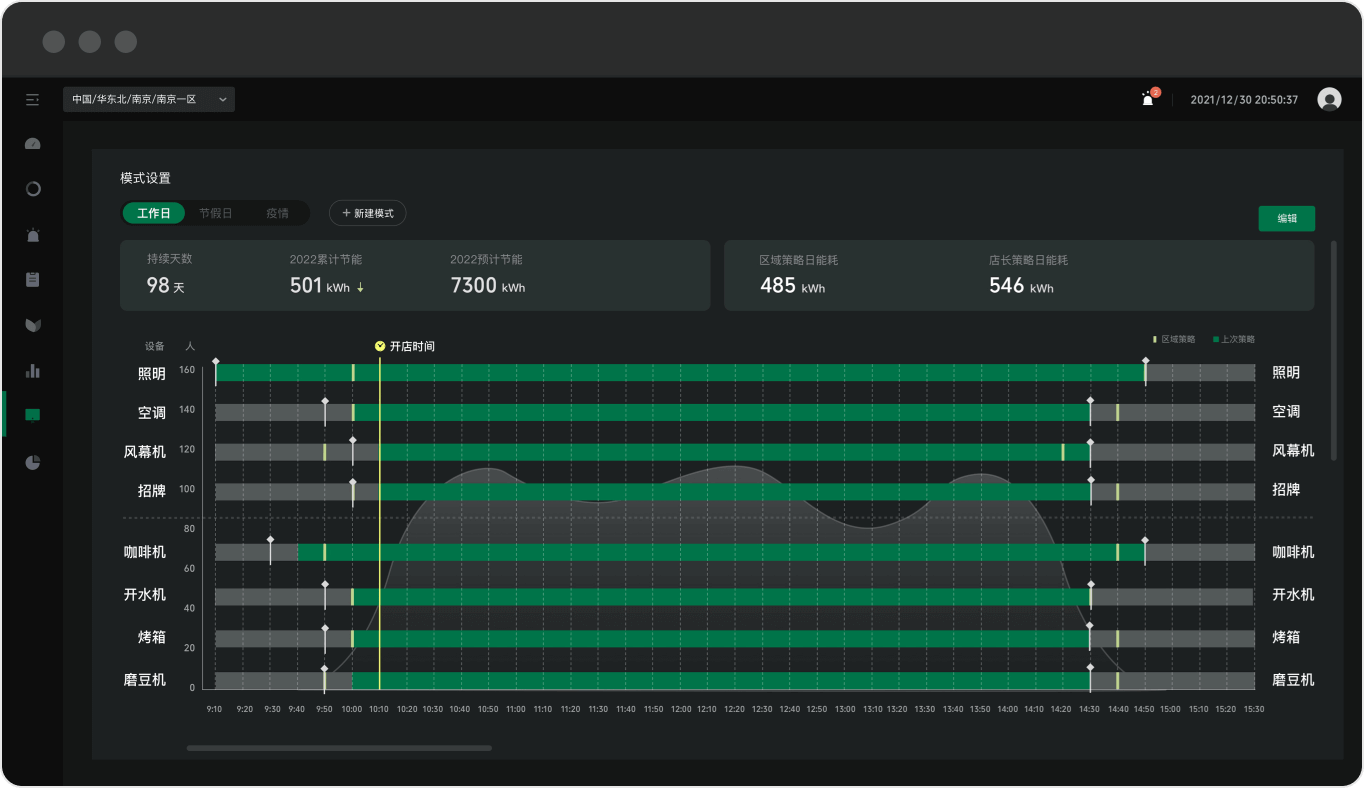
IV. Energy-Saving Collaborative Control Strategy
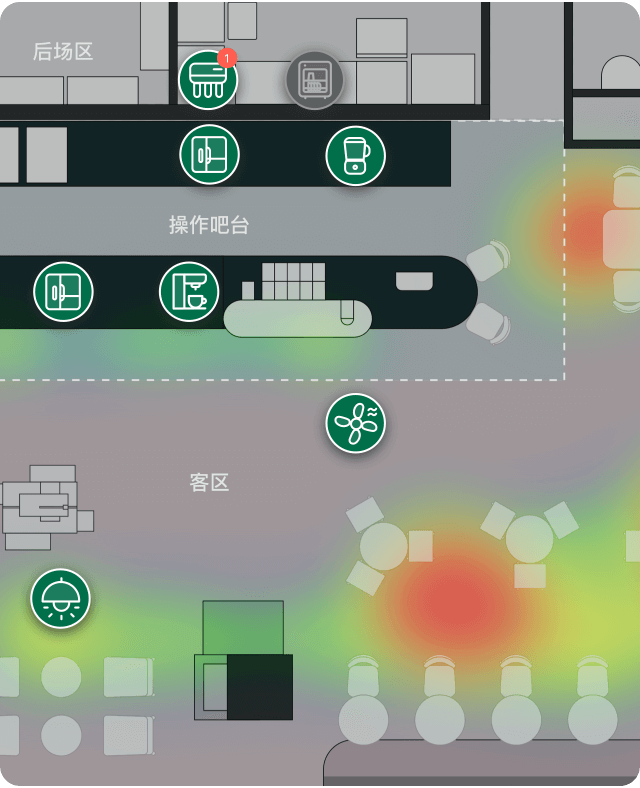
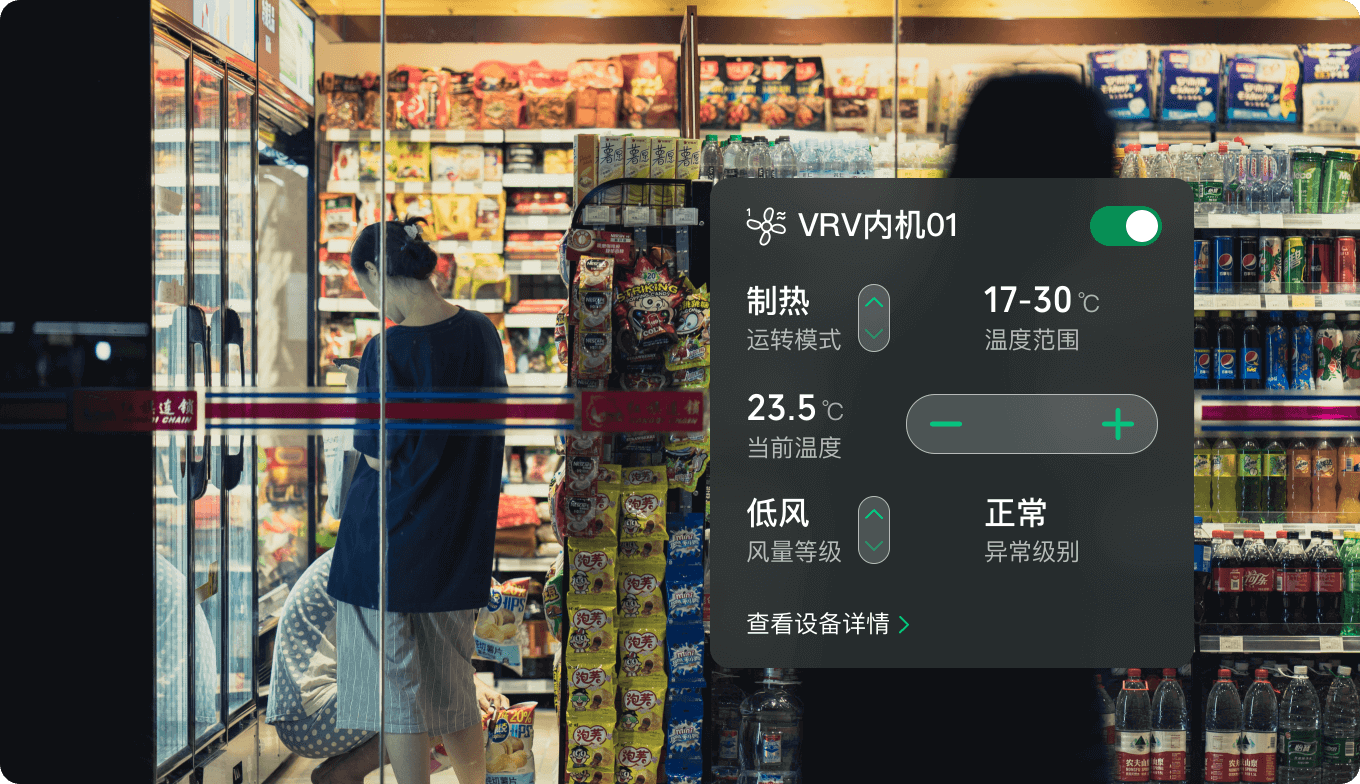
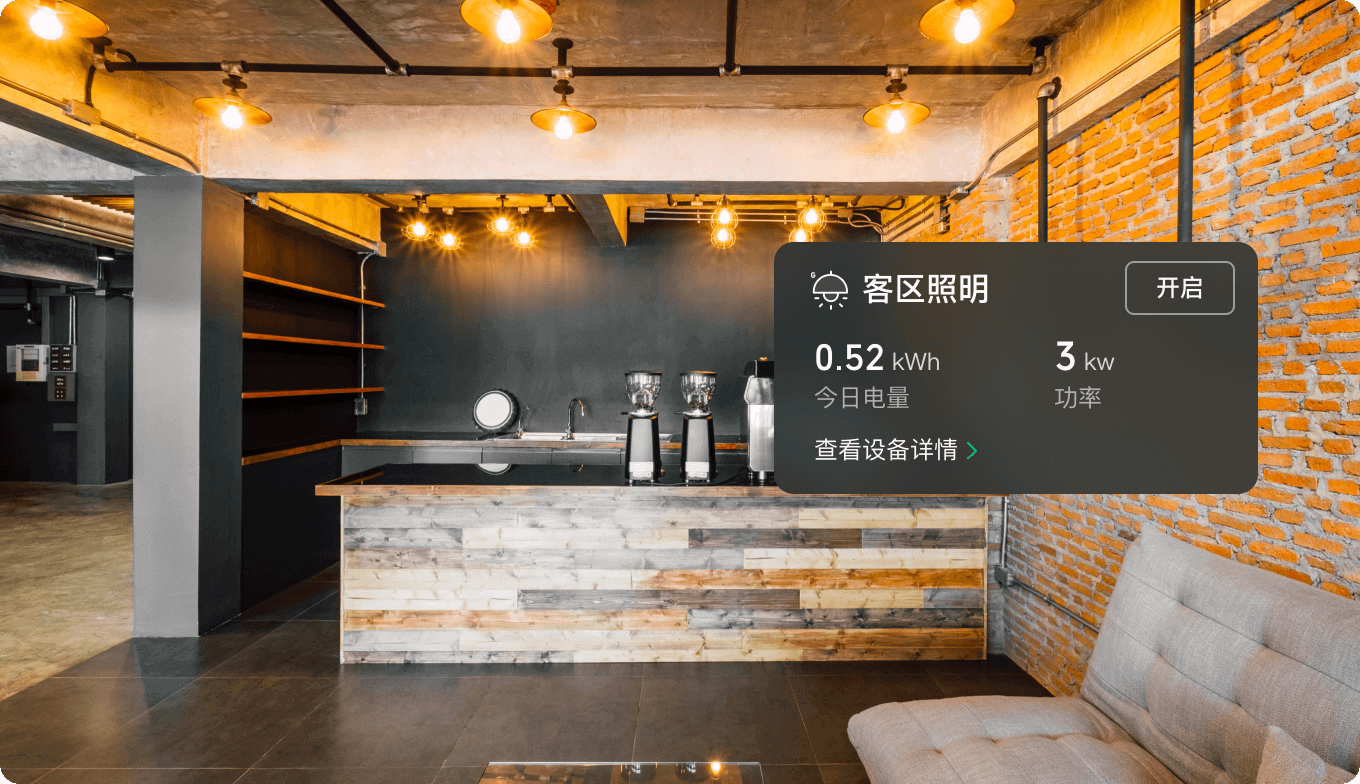
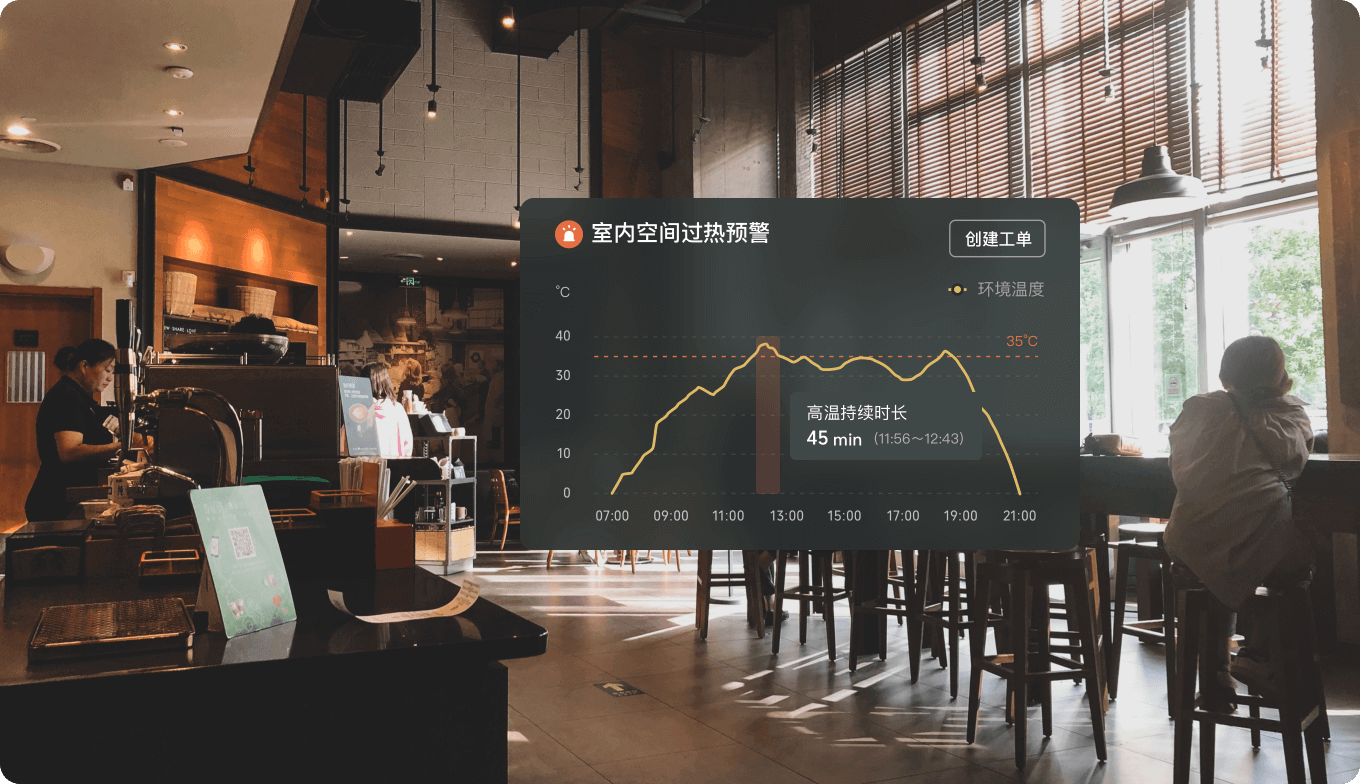
Dynamically adjust in-store equipment operation based on real-time temperature and foot traffic density to optimize energy efficiency. This approach reduces manual intervention, ensures rational equipment operation, and delivers a more comfortable experience.
- Store Heat Map
- Environmental Data Collection
Dynamically adjust the VRV system's start/stop status
- Dynamically adjust the on/off status and brightness of lighting fixtures
- Dynamic Control of Fresh Air Unit Start/Stop
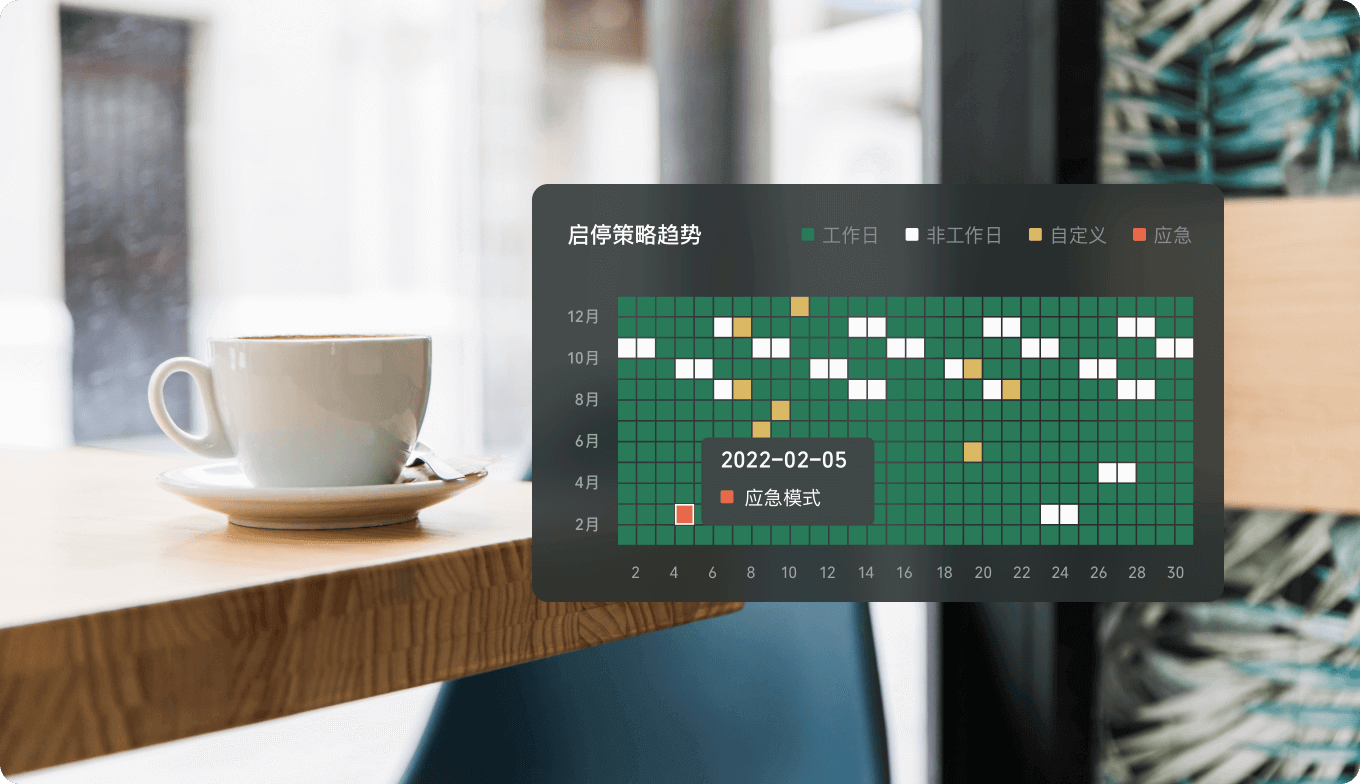
V. Emergency Response Control Strategy
Assist regional managers by standardizing response strategies, providing an expert intelligent operations library, cloud-based A! scheduling, closed-loop work orders, step-by-step operational workflows, and intelligent interconnectivity. For store operators, deliver optimal scheduling recommendations and rapid closed-loop resolution.
- Regional Management Issues Epidemic Response Operational Strategy
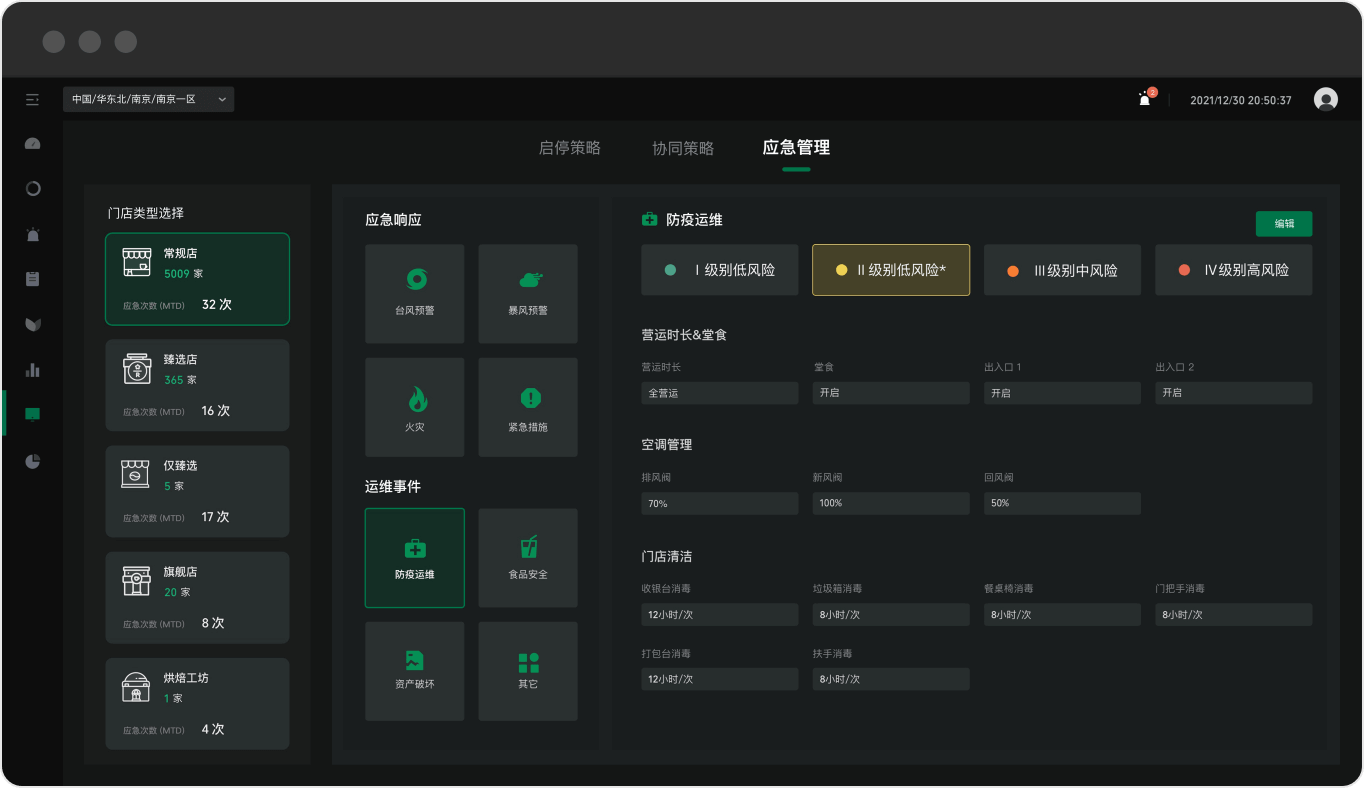
- Outlets Implement Regional Operational Strategy
06 ESG and Certification Value
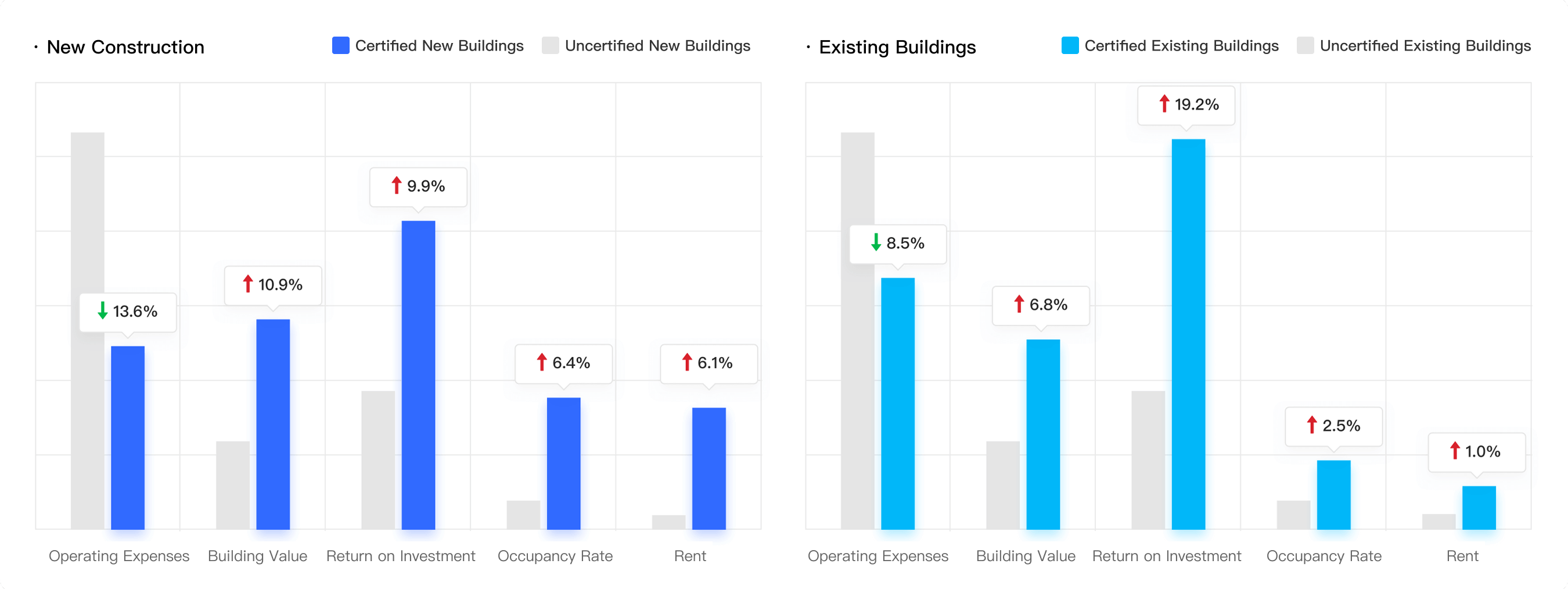
I. Green Building Advantages
II. Certification Advantages
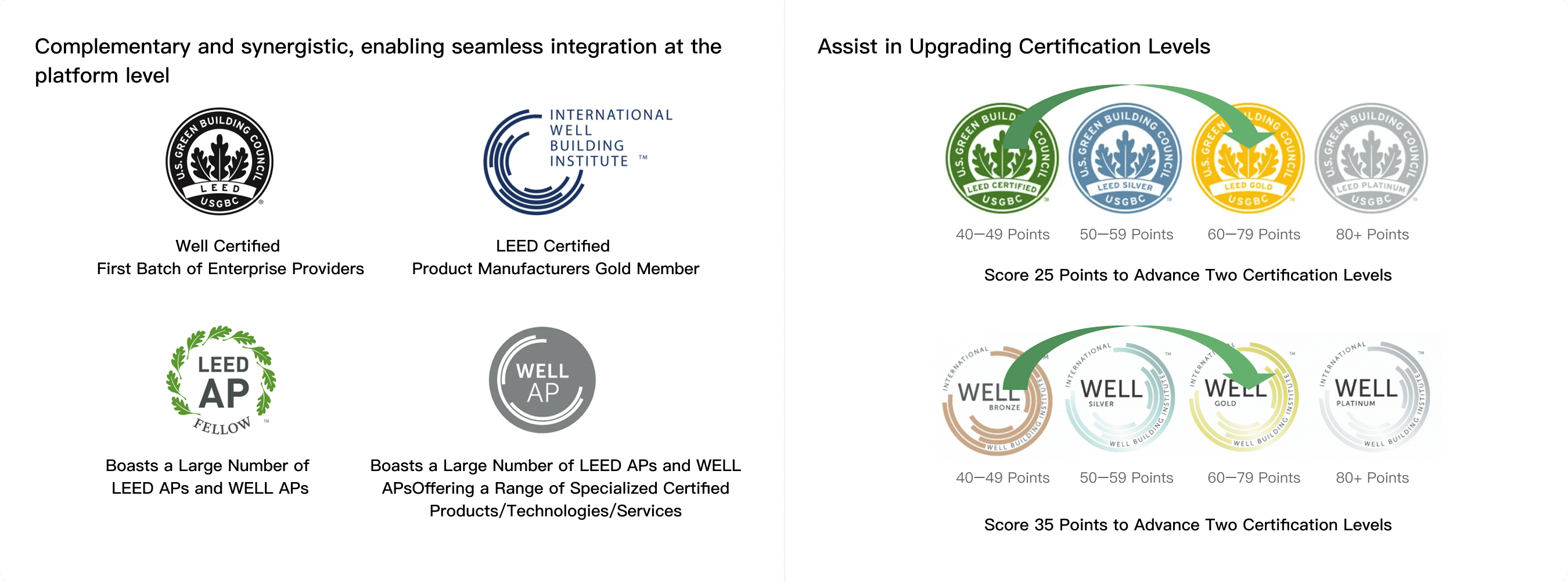
III. Zero-Carbon Store Certification
01.
Deploy to meet certification targets

02.
Platform integration and ongoing certification
03.
Carbon/green certificate procurement strategy
04.
Offline transaction services
05.
Zero-Carbon Store Certification

Get a quote for this solution now
Based on your requirements, our dedicated sales consultants will assist you