I. How Digital Twins Work
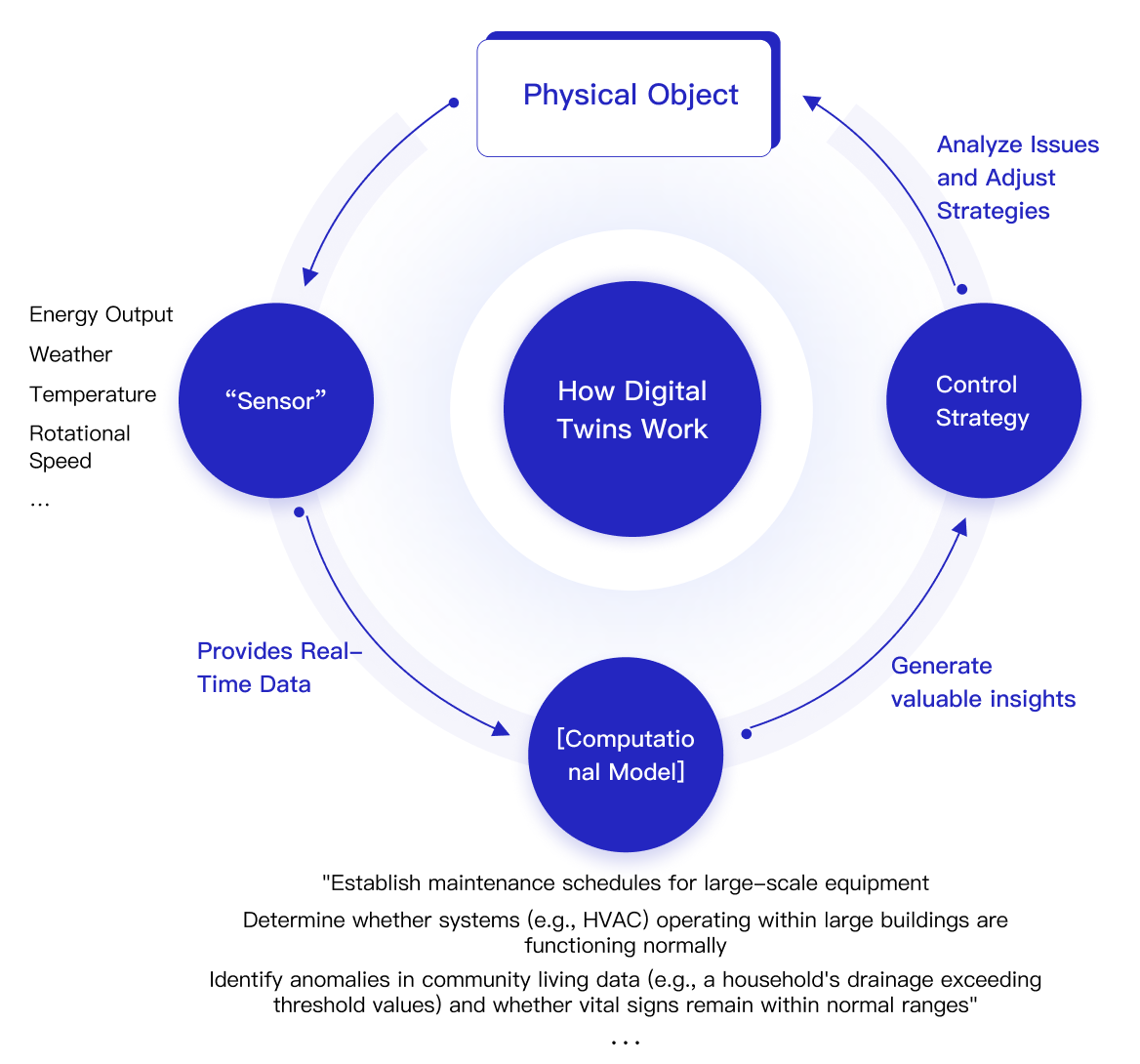
A digital twin is a virtual model that precisely replicates a physical object for research, feedback, and control. This virtual model consists of at least three components: “sensors,” “computational models,” and “control strategies.”
Sensors collect data related to the physical object and transmit it to computational models. These models derive valuable insights from the data. Finally, control strategies—either automated or manually guided—analyze these insights to make decisions that influence the physical object.
· Digital Twins vs. Automation and CPS
Automation and CPS primarily address anticipated scenarios, whereas digital twins are positioned to handle unexpected events. The core distinction lies in automation and CPS relying on predefined plans, while a key aspect of digital twins is their “full lifecycle” nature. This enables them to capture irrelevant attribute data beyond specific objectives, assisting human experts in devising solutions for unforeseen problems and solidifying these into new protocols.
· Digital Twins vs. Simulation
Though both use digital models to simulate system processes, digital twins resemble virtual environments rather than problem-specific processing models, making them more research-oriented. The primary distinction lies in scale.
For instance, real-time data is often irrelevant to simulation, whereas digital twins fundamentally require at least a bidirectional information flow, as illustrated in the figure below. Digital twins are not confined to addressing single issues but provide a feedback mechanism for continuous iteration and product improvement.
II. Advantages and Benefits of Digital LiSheng
· 3D Visualization
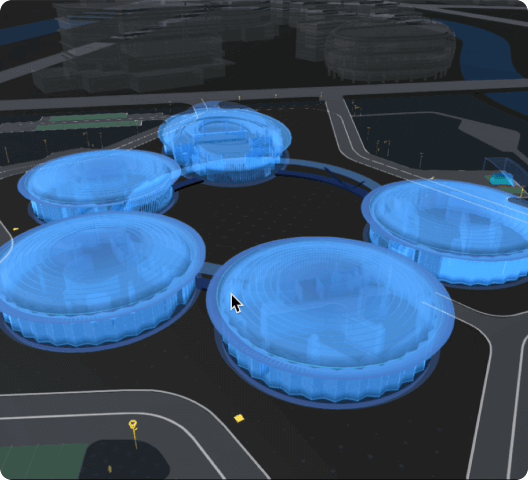
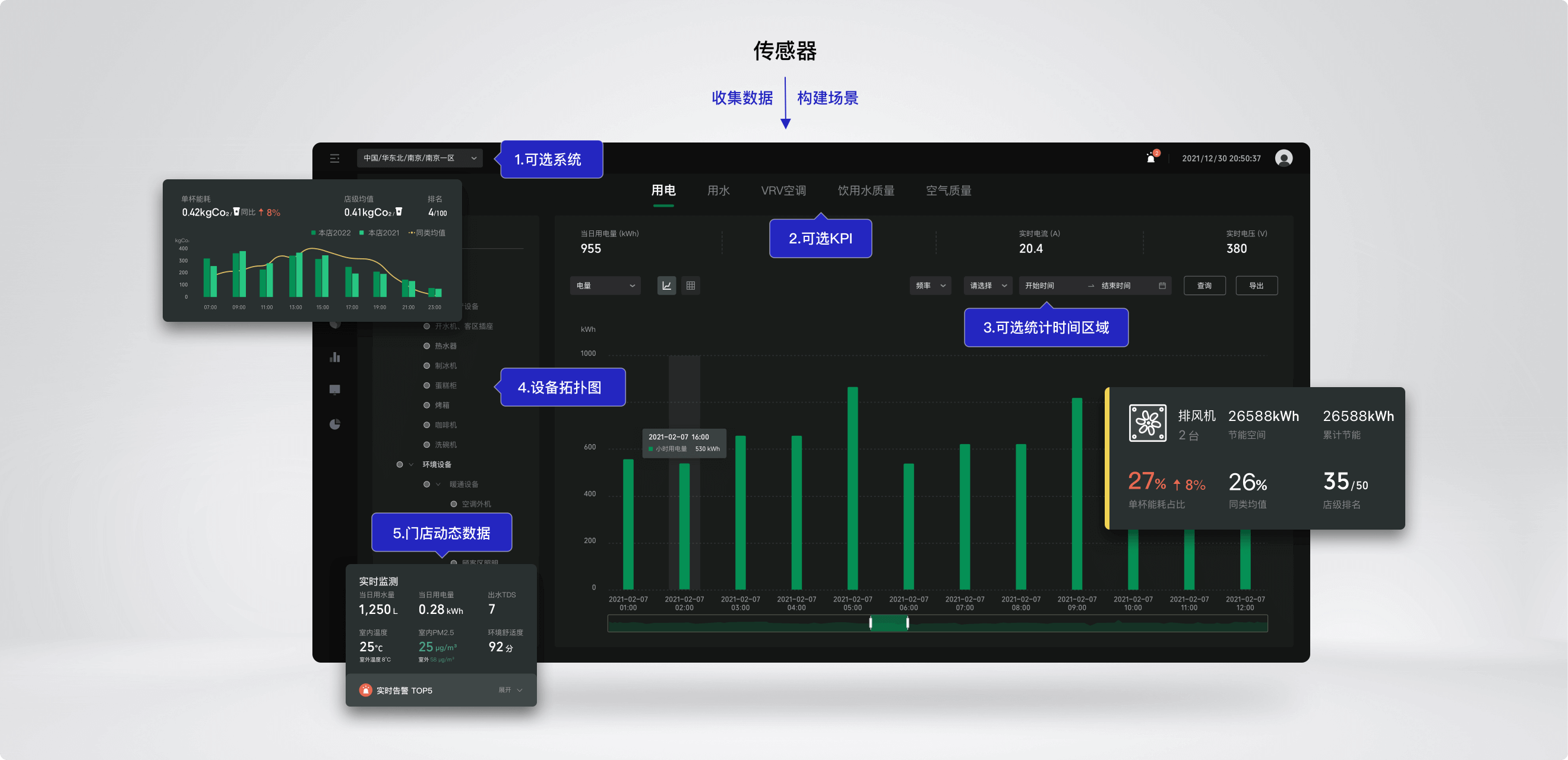
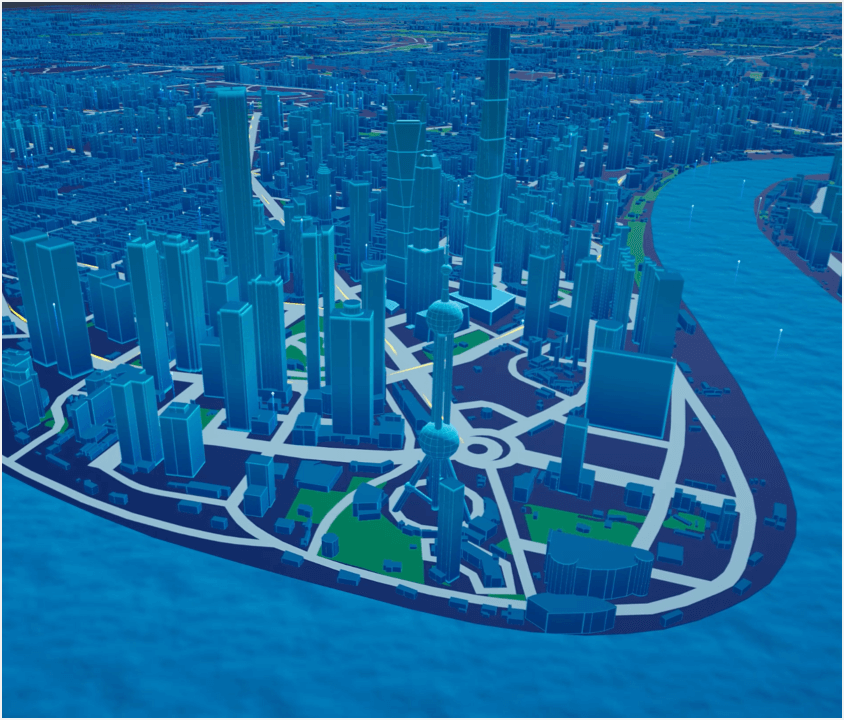
In large-scale scenarios such as smart cities, smart communities, and IOCs, our 3D visualization enhances information transmission efficiency for massive datasets, enabling managers to keenly perceive situational changes. Throughout the entire lifecycle of product design, production, and operation, 3D visualization also helps design teams and operating enterprises quickly pinpoint problem locations, thereby improving information delivery efficiency.
· Perception and Control
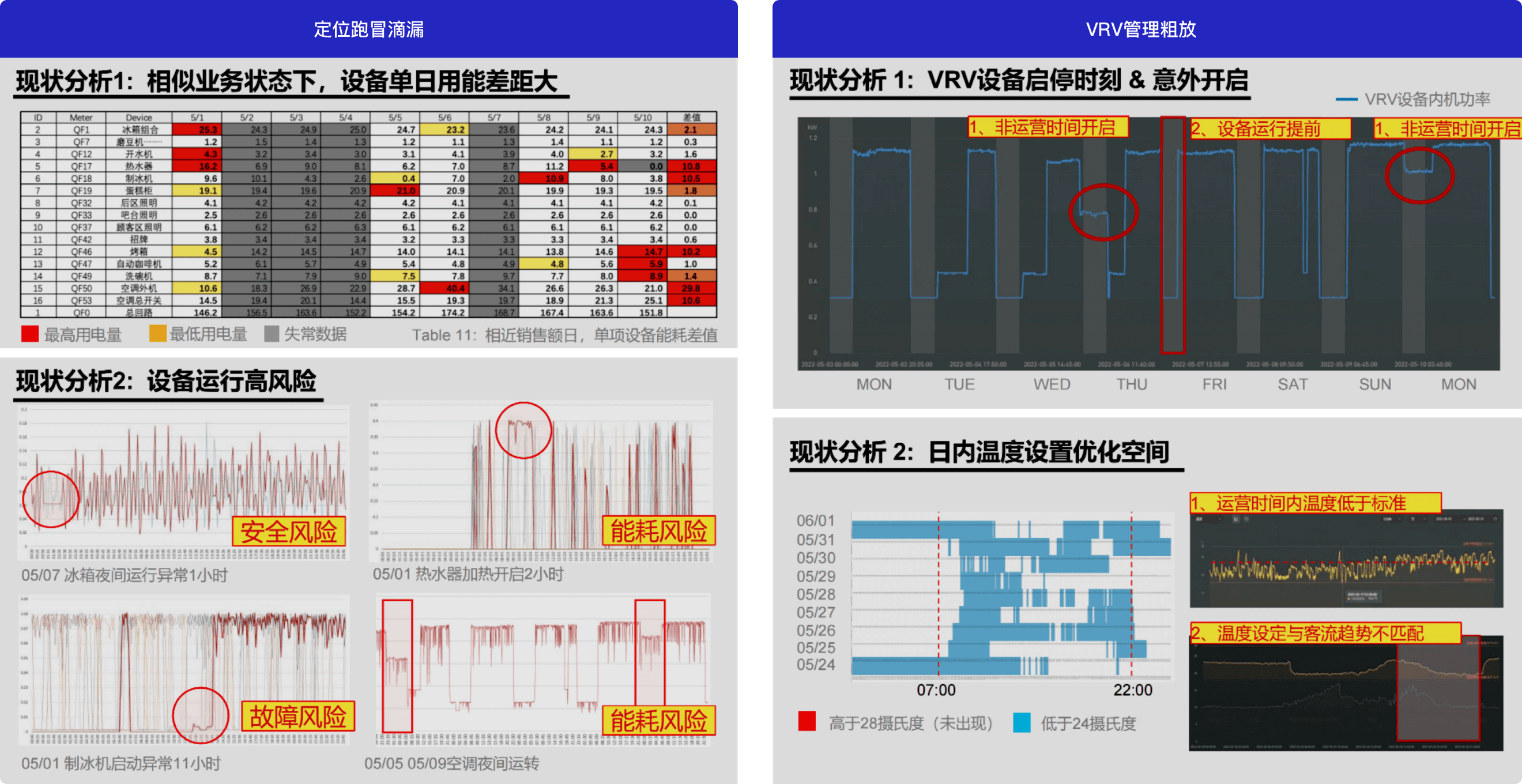
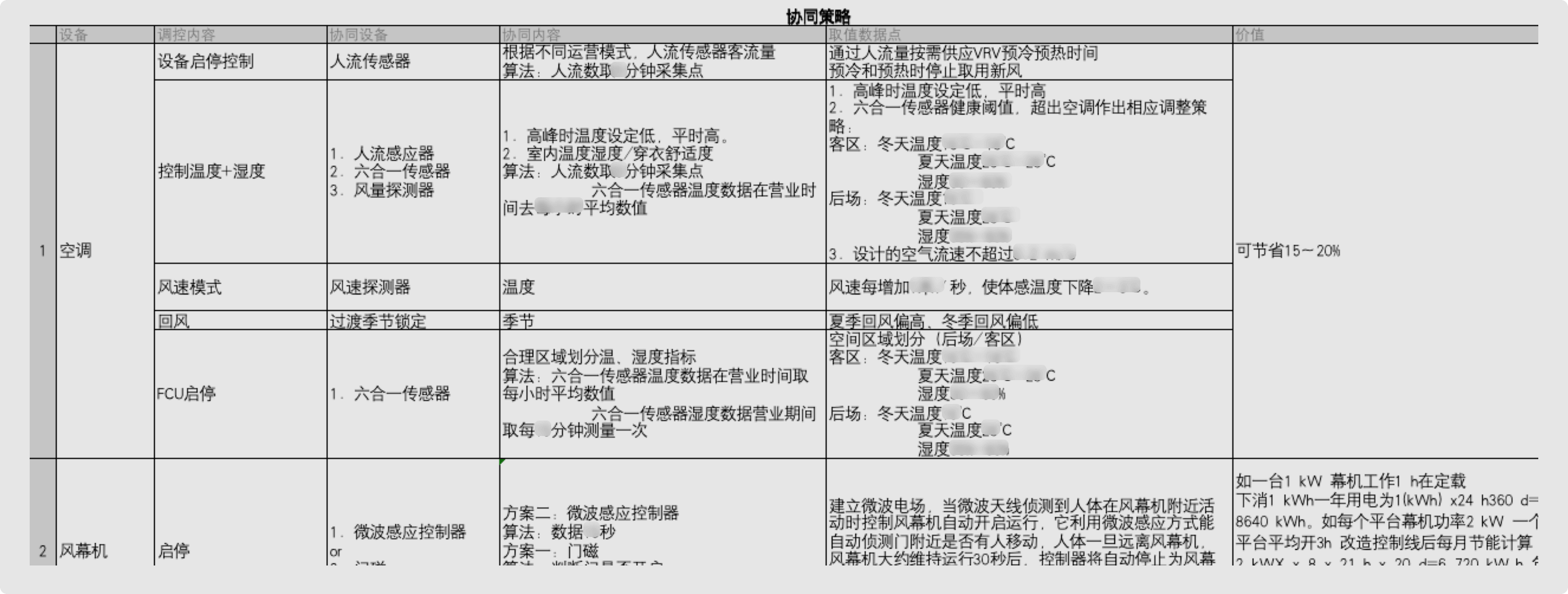
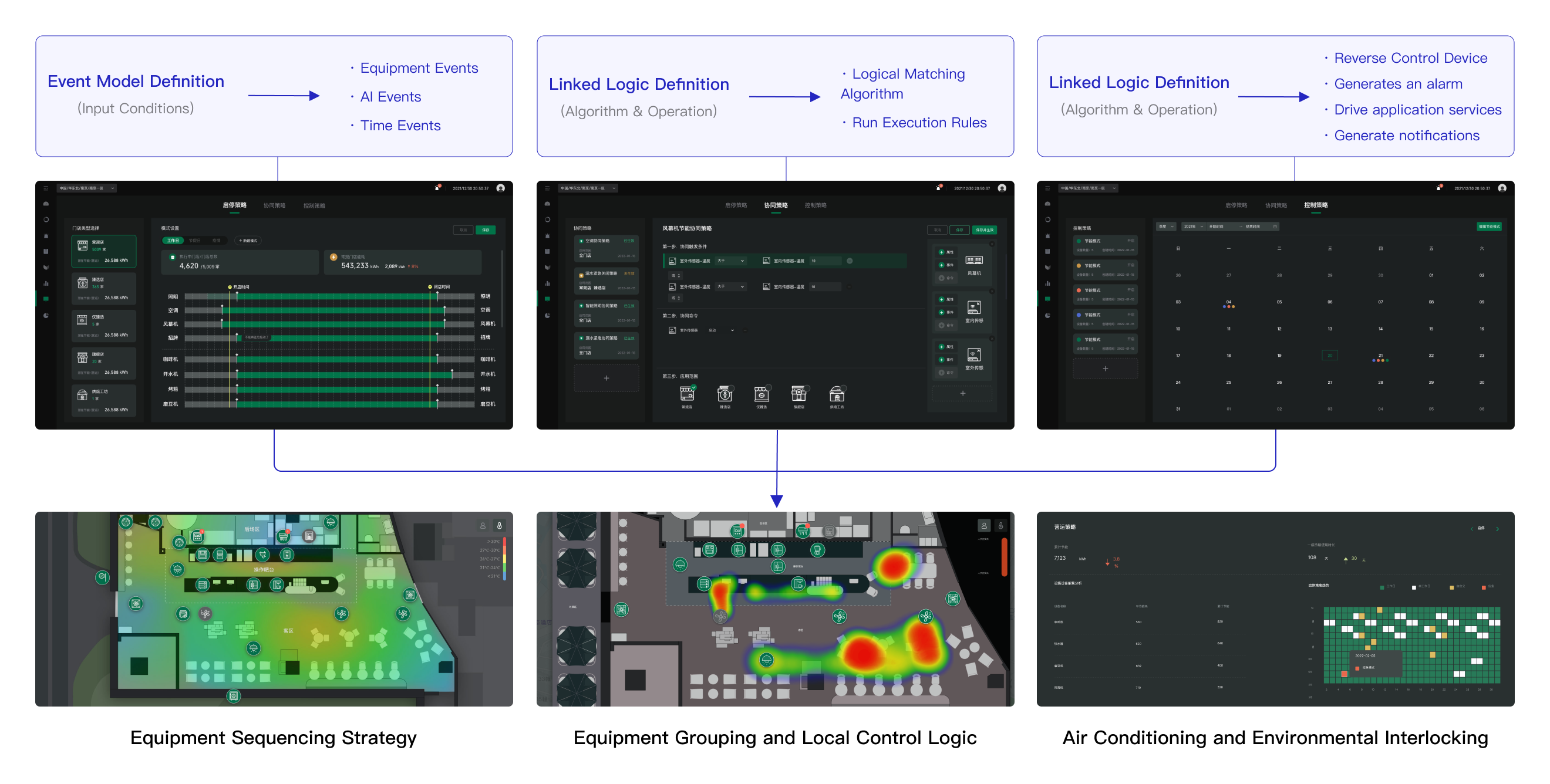
Through digitalization, we capture previously intangible expert knowledge, enabling its preservation, replication, modification, and transfer.
Energy Saving: 
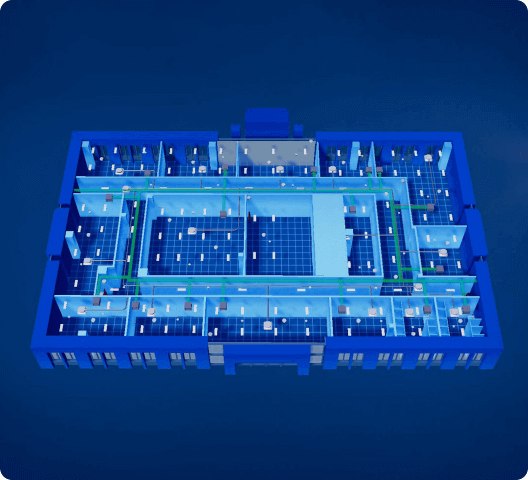
Lighting Control:
· Measurement, Analysis, and Prediction
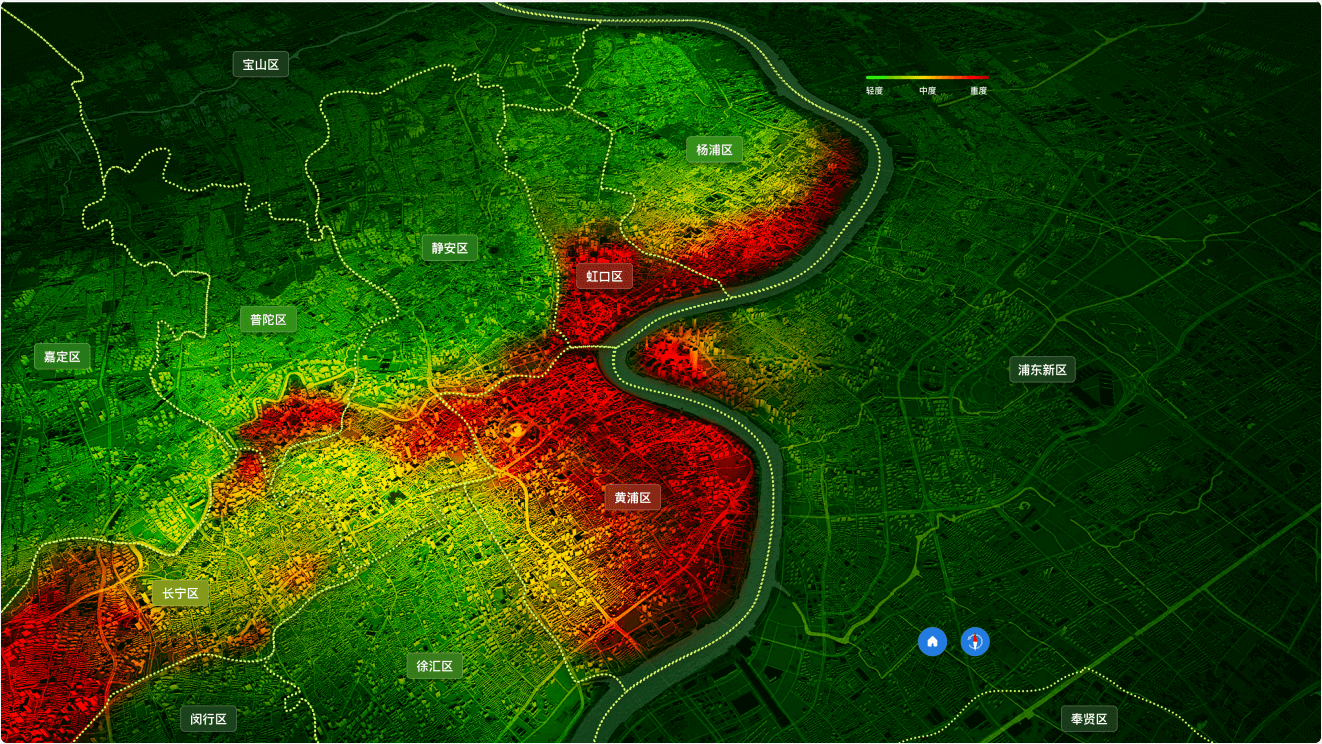
For large-scale complex scenarios, we establish a virtual environment to provide measurement, analysis, and prediction capabilities. This enables contingency planning for diverse challenges while offering analytical data support for unforeseen issues.
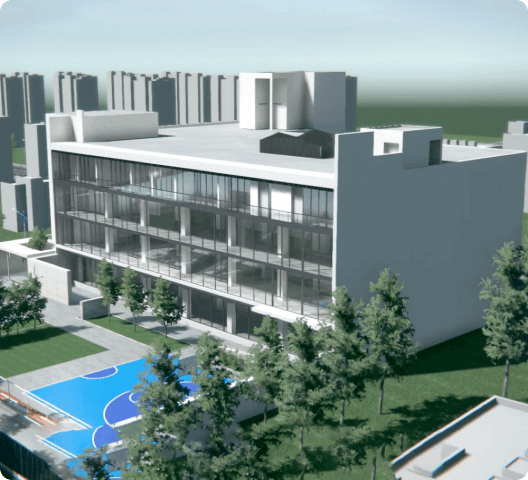
Smart Campus:
III. Types and Applications of Digital Twins
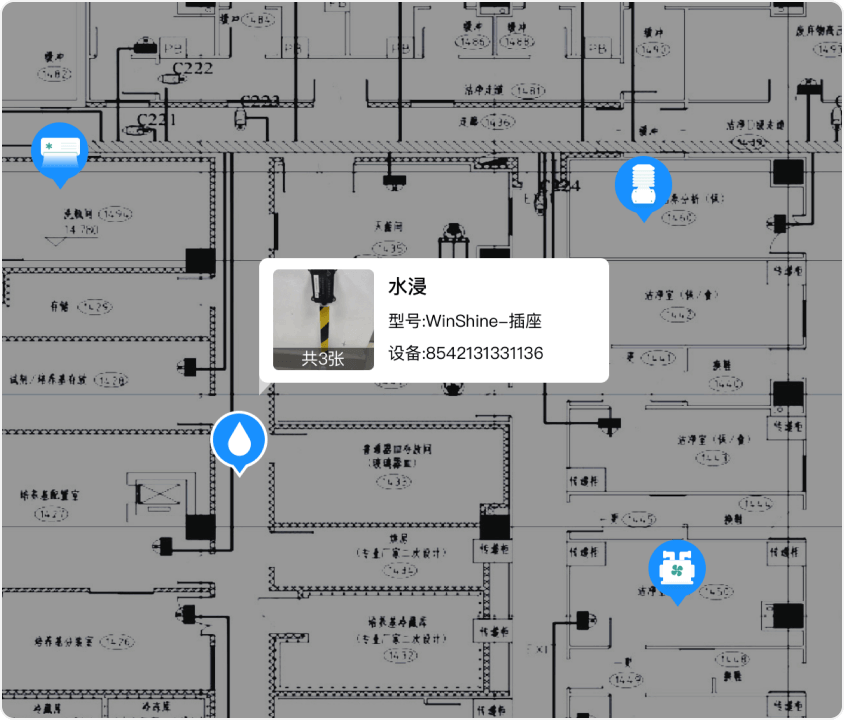
 Component TwinFunctional components represent the smallest examples of digital twins, existing as part of assets.Drive shaftNB smoke detectorBooster pumpAir quality
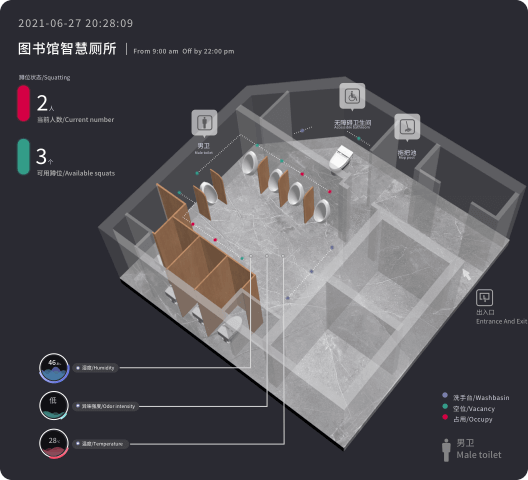
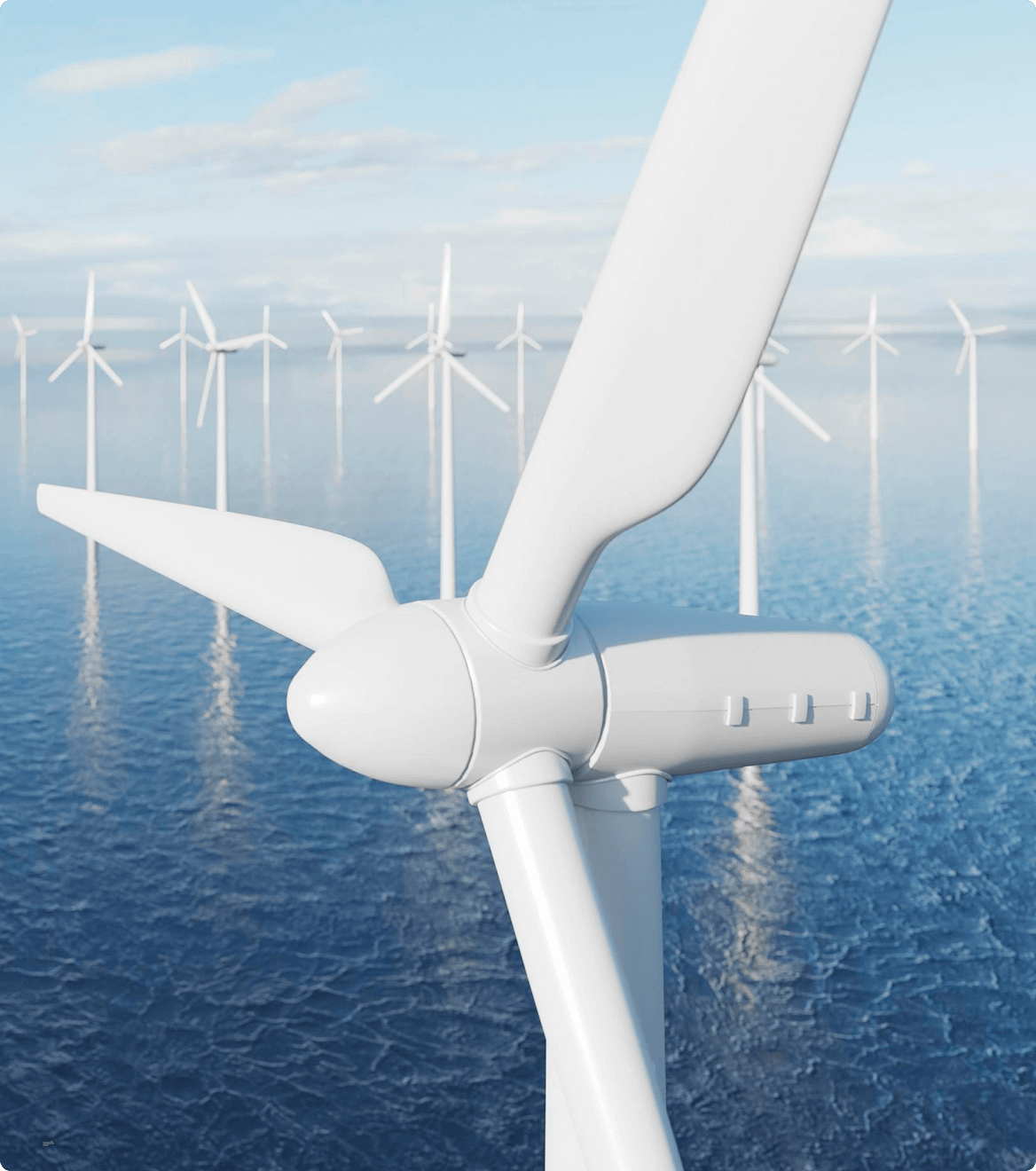
 Asset TwinMultiple components working together form what we call assets. Different components generate vast amounts of usable performance data,which can be transformed into valuable insights.Wind TurbinesSmart Fire ProtectionNew Energy StationsSmart Restrooms
 System TwinWhen different types of assets work together, they converge into a system that can provide interaction data between assets and deliver actionable insights.Manufacturing OperationsIOCSmart HealthcarePower Generation System
 Process TwinProcess represents the most comprehensive dimension of digital twins, revealing how systems collaborate and creating a complete virtual environment.Which systems can simultaneously operate at peak efficiency? Will delays in one system impact others? Process twins help address these questions, ultimately influencing overall efficiency.Smart CityUrban Firefighting PlatformUrban PlanningDual Carbon Platform